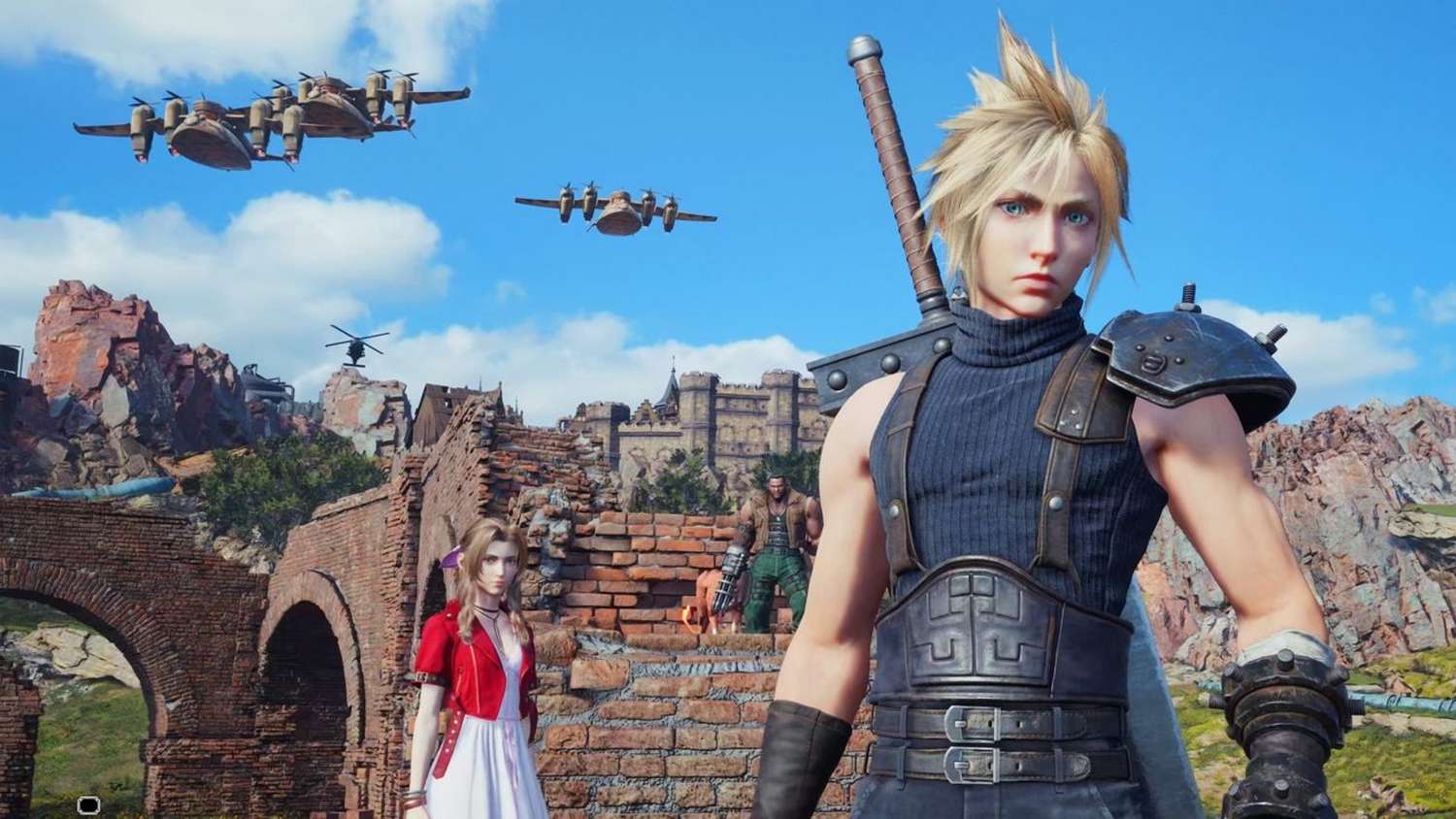
The Phoenix Project: How Final Fantasy Versus XIII’s Demise Gave Rise to Final Fantasy XV’s Troubled Legacy





Popular Now
 Auto X Drift Racing 3
 Minecraft
 Fall Guys
 Genshin Impact
 Roblox
 FIFA 23
 PUBG Mobile
 Geometry Dash
 NBA 2K24
 Toca Boca World
 Fourteen years ago, the gaming world was introduced to a vision of unprecedented ambition and darkness: Final Fantasy Versus XIII. Announced in 2006 as part of the enigmatic Fabula Nova Crystallis mythology alongside Final Fantasy XIII and Final Fantasy Type-0, Versus XIII promised a mature, action-oriented RPG experience that would delve into themes of war, royalty, and tragedy. It was to be a counterpoint to the more traditional Final Fantasy XIII, helmed by the acclaimed Tetsuya Nomura, known for his work on Kingdom Hearts and character designs across the franchise. Yet, what began as a promising new chapter for Square Enix eventually succumbed to a prolonged and arduous development hell, culminating in its rebirth as Final Fantasy XV, a title that itself would launch amidst both critical acclaim and fervent debate.
The Initial Promise and Lingering Mystery
From its inception, Final Fantasy Versus XIII captured the imagination of JRPG enthusiasts. Early trailers depicted a moody, contemporary setting, a stark contrast to the series’ traditional high fantasy or steampunk aesthetics. Protagonist Noctis Lucis Caelum, a brooding prince with mysterious powers, resonated with a generation looking for a fresh take on the Final Fantasy formula. The game was initially slated for the PlayStation 3, a console still finding its footing, and its ambitious scope was often cited as a benchmark for what the hardware could achieve. However, beyond tantalizing glimpses of combat and a few enigmatic cutscenes, concrete details were scarce, and development seemed perpetually shrouded in secrecy. This lack of transparency, while fueling mystique, also sowed the seeds of doubt, a pattern that would define much of its lifecycle.
Years of Silence and Shifting Sands
As the years passed, the silence surrounding Versus XIII grew deafening. While Final Fantasy XIII launched and received its subsequent sequels, and Final Fantasy Type-0 eventually saw release, Versus XIII remained elusive. Industry observers and fans alike began to speculate about the project’s fate. Was it cancelled? Was it being retooled? The core issue, it would later be revealed, lay in several intertwined factors, primarily technical limitations and an evolving creative vision. Square Enix, like many developers during that era, struggled with the transition to high-definition game development and the intricacies of new console architectures. The ambitious open-world concept and the complex real-time combat system Nomura envisioned were proving incredibly challenging to implement on the PlayStation 3’s notoriously difficult hardware.
A critical turning point occurred around 2011-2012, roughly five to six years into its development. Reports suggest that the project faced significant internal hurdles. The proprietary Crystal Tools engine, initially intended for Versus XIII, proved inadequate for its expansive scope, leading to a decision to migrate to the then-nascent Luminous Engine. This engine change alone represented a colossal undertaking, akin to rebuilding the game from the ground up, effectively resetting years of progress. Furthermore, Nomura himself was heavily involved in other high-profile projects, particularly Kingdom Hearts 3, leading to questions about the project’s leadership and allocation of resources. This period marked the true beginning of the project’s unraveling as Versus XIII, as originally conceived, began to fracture under the weight of its own ambition and technical debt.
The Rebirth: From Versus XIII to Final Fantasy XV
The highly anticipated reveal came at E3 2013: Final Fantasy Versus XIII was officially rebranded as Final Fantasy XV, now targeting the PlayStation 4 and Xbox One. With this announcement came a significant shift in leadership, with Hajime Tabata taking the director’s chair, while Tetsuya Nomura focused solely on Kingdom Hearts 3. This transition, while necessary, was not without its controversies. Fans of Nomura’s original vision expressed concerns about the direction, fearing a departure from the darker, more mature themes they had come to expect from Versus XIII. Tabata inherited a project in disarray, a sprawling collection of ideas and assets without a cohesive structure, exacerbated by engine issues and the demands of developing for a new console generation.
Tabata’s approach was pragmatic: salvage what could be saved, refine the core gameplay loop, and deliver a playable experience within a reasonable timeframe. The change in director necessitated a re-evaluation of the narrative, world design, and gameplay mechanics. While elements of Nomura’s original concept persisted – Noctis, his friends, and key lore elements – the overall tone shifted. The game embraced a more open-world design, a departure from the linear corridors of Final Fantasy XIII, and emphasized the camaraderie of Noctis’s road trip with his companions. This pragmatic pivot was crucial for the project’s survival, demonstrating Square Enix’s commitment to delivering a title after nearly a decade of development struggles, albeit one that bore the scars of its tumultuous past.
Final Fantasy XV’s Legacy and Lessons Learned
When Final Fantasy XV finally launched in November 2016, it was met with a mixed but generally positive reception. Critics praised its stunning visuals, engaging combat, and the endearing bond between Noctis and his friends. The open-world exploration and sense of adventure were also highlighted. However, the game also drew criticism for its disjointed narrative, pacing issues, and a perceived lack of polish in certain areas, particularly in its later chapters. These shortcomings were often attributed to its prolonged and fractured development cycle, the remnants of a project that had been cut, reassembled, and reimagined multiple times.
The journey from Final Fantasy Versus XIII to Final Fantasy XV stands as a cautionary tale in modern game development. It underscores the immense challenges involved in creating ambitious, high-budget titles, especially during console generation shifts and with shifting creative visions. For Square Enix, it represented a significant investment and a public demonstration of their ability to eventually deliver on a long-delayed promise. The experience undoubtedly influenced their future development strategies, pushing for clearer roadmaps, more structured development cycles, and perhaps a greater focus on engine stability and scope management from the outset. For players, it’s a testament to the enduring allure of the Final Fantasy name, a franchise capable of captivating audiences even through the most protracted and challenging development sagas.
The Enduring Impact on JRPG Development
The saga of Versus XIII becoming FFXV also had a broader impact on the JRPG genre. It highlighted the pressure on established franchises to innovate while retaining their core identity. The move towards open-world design, while common in Western RPGs, was a significant undertaking for Square Enix, influencing subsequent titles like Final Fantasy VII Remake with its blend of open and linear elements. The very public struggle also brought to light the internal dynamics of large game studios, the complexities of managing multiple AAA projects, and the often-unseen sacrifices made by development teams to bring a vision to life. The high CPC keywords around ‘game development challenges’, ‘Square Enix strategy’, ‘JRPG market trends’, and ‘video game investment’ all find resonance in this epic narrative of creation and constraint.
Ultimately, Final Fantasy XV, with all its flaws and triumphs, is a monumental testament to perseverance. It is a game born from the ashes of a grander, perhaps unachievable, vision, shaped by over a decade of dedication, setbacks, and unwavering belief in its potential. The journey from its initial announcement to its release serves as a powerful reminder of the intricate and often unpredictable nature of bringing expansive virtual worlds to life, and the profound impact that development history can have on the final product.